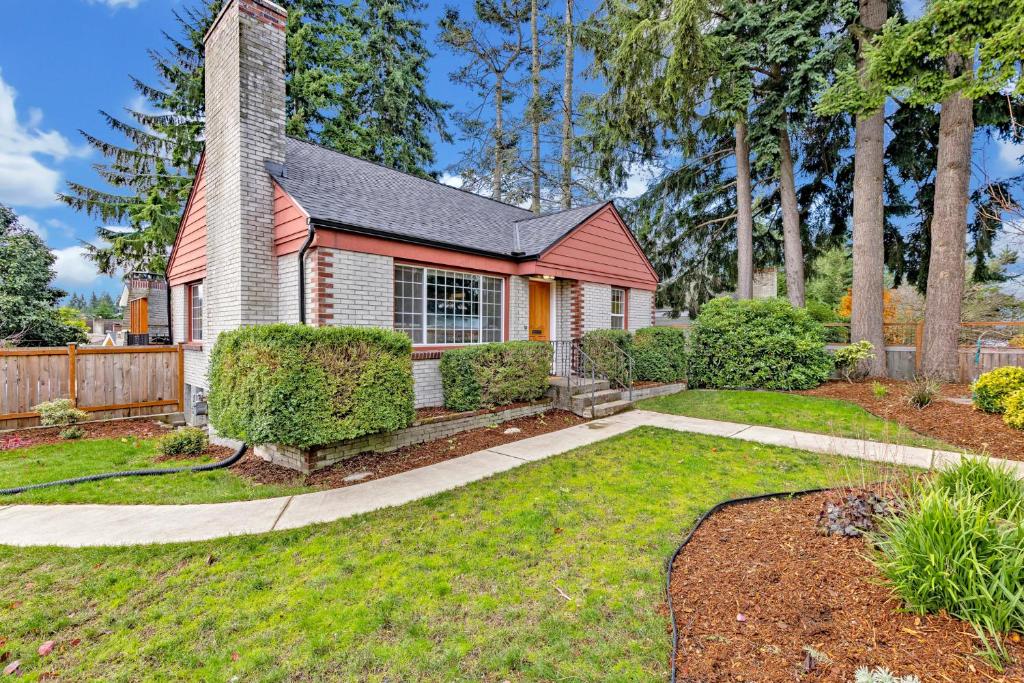
Owning a rental property can be a profitable long-term investment, but it also comes with responsibilities and risks that many landlords overlook. While rental income is often the focus, protecting that income is just as important. This leads many property owners to ask an important question: Is rental home insurance worth it?
For landlords working with professional home rental services or managing properties on their own, understanding insurance for rental home protection is critical. This article breaks down what rental home insurance covers, when it’s necessary, and how it supports both property owners and long-term investment goals.
What Is Insurance for Rental Home Properties?
Insurance for a rental home commonly known as landlord insurance is designed specifically for properties rented to tenants. Unlike standard homeowner insurance, it focuses on protecting the property owner’s financial and legal interests.
Rental home insurance typically applies to various rental types, including single family houses, 3 bedroom home rentals, and even mobile home rentals. Since these properties are income-producing, they face different risks than owner-occupied homes.
Why Homeowner Insurance Is Not Enough for Rentals
A common misconception is that homeowner insurance automatically covers rental properties. In reality, most homeowner policies exclude coverage once a property is rented out.
When tenants occupy a property, the risk profile changes. There is increased exposure to liability claims, accidental damage, and income loss due to repairs. Without proper insurance for rental home, landlords may find their claims denied at the worst possible time.
This is why reputable home rental services strongly encourage or require landlords to carry rental-specific insurance before listing a property.
What Does Rental Home Insurance Cover?
Rental home insurance provides broader protection than standard policies. While coverage details vary by insurer, most policies include protection in three essential areas:
-
Property damage coverage, which protects the structure against fire, storms, vandalism, and certain natural disasters
-
Liability coverage, which protects the landlord if a tenant or visitor is injured on the property
-
Loss of rental income, which helps replace lost rent if the home becomes uninhabitable due to a covered event
This coverage is especially valuable for landlords with long-term tenants under a formal home rental agreement, where rental income consistency is essential.
Is Rental Home Insurance Worth the Cost?
For most landlords, rental home insurance is a relatively small expense compared to the financial protection it provides. Premiums are typically affordable and often tax-deductible as an operating expense.
To better understand its value, consider the comparison below:
| Scenario | Without Rental Home Insurance | With Rental Home Insurance |
|---|---|---|
| Fire or storm damage | Owner pays full repair cost | Insurance covers repairs |
| Tenant injury claim | Legal and medical costs out of pocket | Liability coverage applies |
| Rental income loss | No income during repairs | Lost rent may be reimbursed |
| Property management requirements | May not qualify | Meets professional standards |
For owners of 3 bedroom home rentals, where families and longer lease terms are common, the risk of liability claims alone often makes insurance worthwhile. For mobile home rentals, insurance is even more critical due to higher weather and structural risks.
The Role of Insurance For Rental Home in Professional Property Management
For landlords using professional home rental services, rental home insurance is more than a recommendation it’s part of responsible property management.
Insurance allows property managers to:
-
Protect both the owner and management company from legal exposure
-
Handle maintenance and claims efficiently
-
Ensure compliance with lender and lease requirements
Most property management companies require proof of insurance for rental home before onboarding a property. This ensures smooth operations and fewer disputes when unexpected issues arise.
How Rental Home Insurance Fits into the Lease Agreement
Rental home insurance protects the landlord, not the tenant’s personal belongings. This distinction should always be clearly outlined in the home rental agreement.
Many landlords also require tenants to carry renter’s insurance, which covers their personal property and personal liability. When both sides are insured, it creates a clearer division of responsibility and reduces conflict.
Professional home rental services typically standardize these clauses to protect all parties involved.
Insurance and Long-Term Rental Investment Strategy
Successful rental property owners think beyond monthly rent. Insurance plays a major role in protecting long-term value and ensuring business continuity.
For landlords expanding into different property types such as mobile home rentals or larger 3 bedroom home rentals insurance provides stability across a diverse portfolio. One uninsured event can undo years of profit, while proper coverage helps preserve cash flow and asset value.
Insurance also reassures lenders, investors, and property managers that the rental business is being run professionally.
Common Myths About Rental Home Insurance
Some landlords believe rental home insurance is unnecessary if tenants are “careful” or if the property is newly built. Others assume it’s only needed in high-risk areas.
In reality, accidents, liability claims, and unexpected damage can happen anywhere. Insurance is not about expecting problems it’s about being prepared when they occur.
Another myth is that insurance claims are rarely approved. When policies are properly structured and maintained, rental home insurance provides reliable protection when needed.
Choosing the Right Insurance for Your Rental Property
The right policy depends on factors such as property type, location, tenant profile, and rental income. Owners of 3 bedroom home rentals may prioritize liability protection, while landlords managing mobile home rentals may focus on weather-related coverage.
Working with insurance professionals and experienced home rental services helps ensure the policy matches your rental strategy and legal requirements.
Frequently Asked Questions (FAQs)
1. Is insurance for rental home legally required?
In many areas it is not legally mandatory, but lenders and property management companies often require it. Even when optional, it is strongly recommended.
2. Does rental home insurance cover tenant-caused damage?
Some policies include limited tenant damage coverage, while others exclude it. Coverage depends on policy terms and should be reviewed carefully.
3. Can rental home insurance premiums be tax-deductible?
Yes, insurance premiums are generally deductible as a rental operating expense.
4. Is insurance different for mobile home rentals?
Yes. Mobile home rentals often require specialized policies due to construction type and increased exposure to weather-related risks.
5. Should insurance details be included in the home rental agreement?
Yes. Insurance responsibilities should always be clearly stated in the home rental agreement to avoid disputes.
Final Thoughts
So, is rental home insurance worth it? For most landlords, the answer is a clear yes. The protection it provides against property damage, liability claims, and income loss far outweighs the relatively modest cost.
Whether you rely on professional home rental services, manage 3 bedroom home rentals, or invest in mobile home rentals, having proper insurance for rental home properties is a smart and responsible decision. It protects your investment, supports long-term growth, and brings peace of mind in an unpredictable rental market.